
Your Body Is an Ecosystem
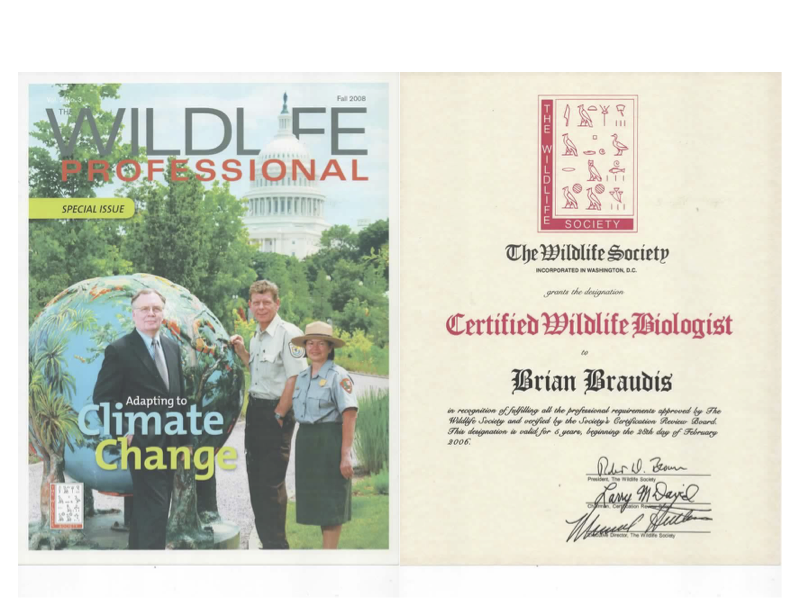
My work as a wildlife biologist centered on habitat—evaluating and, when necessary, restoring wetlands, estuaries, salt marshes, forests, and prairies to ensure their health and integrity. The health of each habitat contributes upward to the overall wellness of the larger ecosystem: the entire community of living things.
Healthy ecosystems are naturally resilient. When they possess baseline vigor, they bounce back from setbacks such as damaging storms, floods, droughts, or die-offs. Ecosystem resilience is a natural quality determined by the integrity of its parts. The slightest weakness in a habitat creates a small crack in its defenses against disease or foreign-species invasion. Small cracks widen over time, creating openings for disease or other threats to move in and begin taking over.
Forests stressed by drought are an open door to beetle infestations, blight, or fungal attack. Polluted or mechanically drained wetlands become weakened—less than optimal—and susceptible to disease and invasive species infiltration, creating a cascading decline.
Native wildlife species often do not recognize exotic and invasive plants as useful because they have not evolved with them. While a few exotic species may not significantly degrade a native habitat, serious decline begins when invasive species spread exponentially. Because they have no natural predators or diseases to keep their populations in check in their new range, they quickly supplant native species, creating monocultures of less productive plants that are often toxic or unusable to native wildlife and the broader ecosystem.
One of the most dramatic ecosystem disruptions in modern times is the introduction of the Burmese python into South Florida. Since its arrival in the 1980s, severe declines in native mammal populations have been documented. The python has effectively become the apex predator, disrupting the entire Everglades food web.
Nature teaches the same lesson again and again: when environments degrade, decline follows.
Humans are no different. Your body is an ecosystem. The “habitats” that contribute to your personal biological ecosystem include your muscles, tendons, organs, nervous system, gut, and many others.
Building optimal health must focus on maintaining and improving processes—not merely treating symptoms.
Popping a few acetaminophen tablets provides temporary relief from symptoms. Likewise, a prescription for high blood pressure improves the numbers, but the condition itself remains—operating quietly in the background, pulling you downward.
To build optimal health, we must work at the root of the problem: biological processes. The causes of high blood pressure often include lack of exercise, excess body weight, an unhealthy diet (the standard American diet), and excessive alcohol consumption. These factors contribute to the insidious internal smoldering we call inflammation.
Addressing root causes requires a long-term lifestyle approach. It is not a quick-fix, symptom-suppression affair. Degraded ecosystems are restored through patient, long-term intervention. We repair root-level problems and invigorate natural processes that allow ecosystems to return to their innate, self-sustaining resilience.
The human body works the same way. Disease thrives in degraded environments. Health emerges from resilient systems.
Your body is and ecosystem that is incessantly energized toward healing.
It is constantly alert for nutrient-rich, health-supporting metabolites—the products of metabolism—that activate healing pathways.
The same is true for activity. Exercise works because the body grows and thrives in motion. Conversely, it shuts down when motionless.
We know inactivity dims disease-fighting mechanisms. Physical activity, on the other hand, triggers survival, healing, disease-fighting, and longevity pathways. You could say that physical inactivity creates biological inertia.
Our physiological systems remain on constant alert, moment by moment, looking for signals either to grow or to conserve and shut down. Lifestyle supplies those signals, pushing biology in one direction or the other.
As a preventive intervention, exercise provides benefits available nowhere else. No medical procedure, prescription, or supplement can offer what you can prescribe for yourself.
Exercise can dramatically influence the trajectory of health. Regular physical activity improves functional capacity, endurance, muscular strength, and durability. It reduces chronic inflammation, helps manage body weight, and reawakens sluggish biological processes.
But there is so much more you can do.
You are responsible for your own optimal health. Go deeper. Read. Study. Discover the feeling of creating your own health.
It is difficult to describe.
When you change the environment where disease and decline live, disease disappears.
Create health—and disease has nowhere left to live.
Categorized in: Art of Aging, Fly Fisher Fitness